Hiking Information on Green Tourism
Hong Kong has 25 country parks and 22 special areas, established to protect nature, for the purposes of nature conservation, countryside recreation and outdoor education. Within these country parks, there are a variety of attractions and different types of hiking trails for visitors to use and enjoy nature. This webpage provides information for citizens and tourists about hiking and countryside outings in Hong Kong, promotes hiking etiquette and safety, and enables citizens and tourists to explore Hong Kong's world-class natural landscapes safely and in a sustainable way.
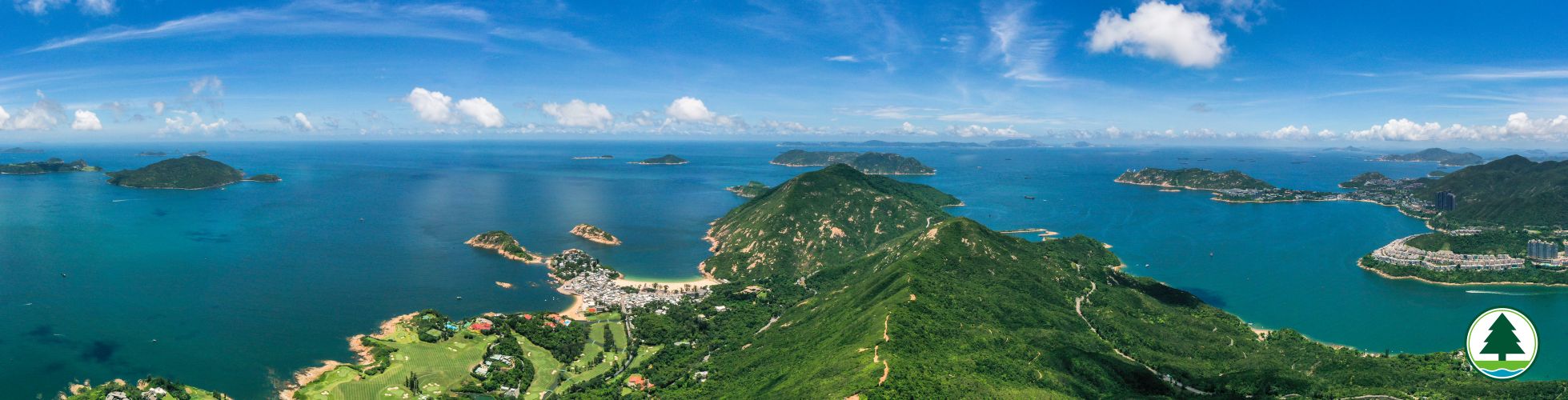 |
|---|
| Dragon's Back |
1. How to Plan a Hike and Countryside Outing in Hong Kong
1.1 Tourist Attractions and Hiking Routes in Hong Kong Country Parks
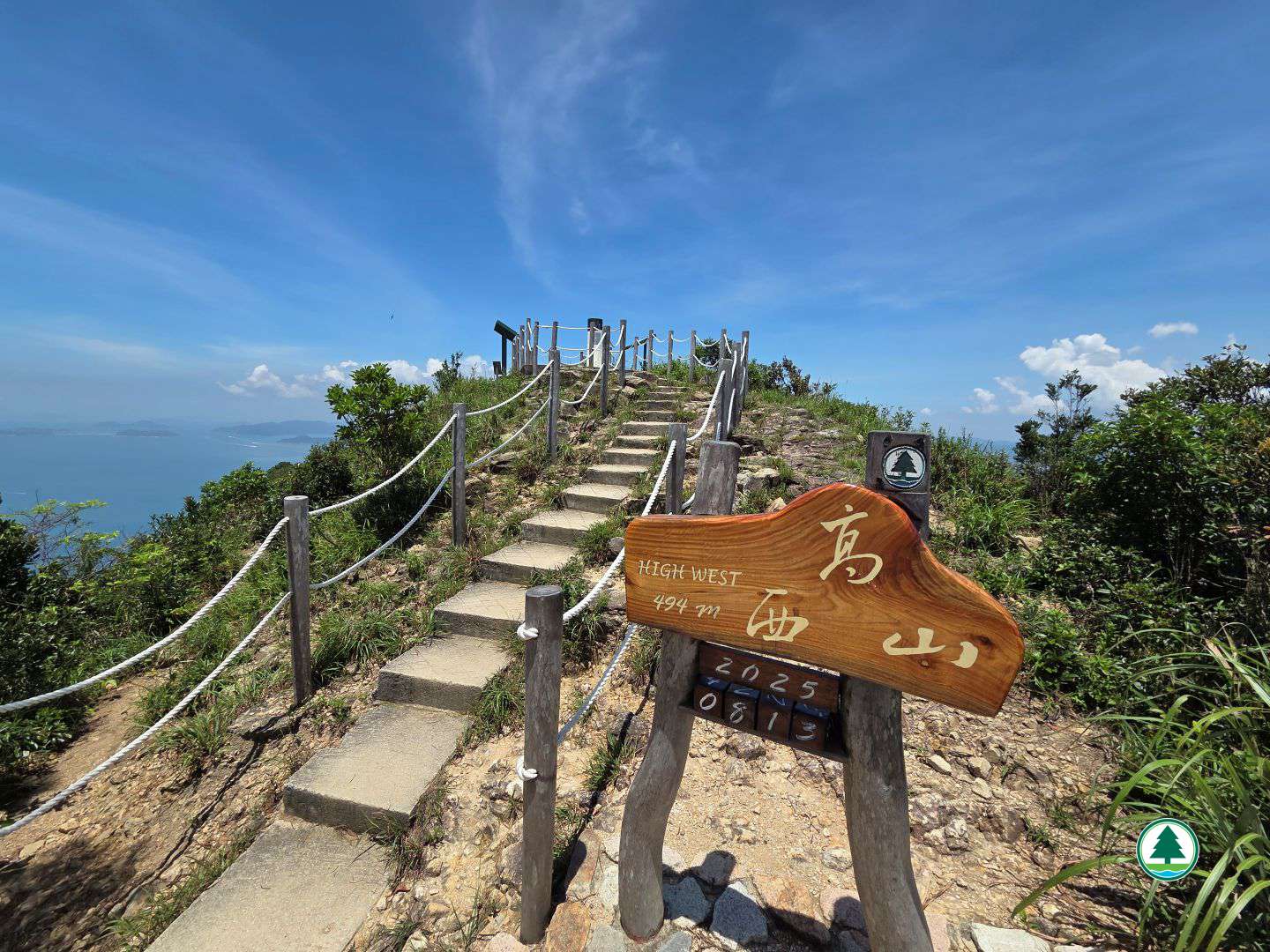
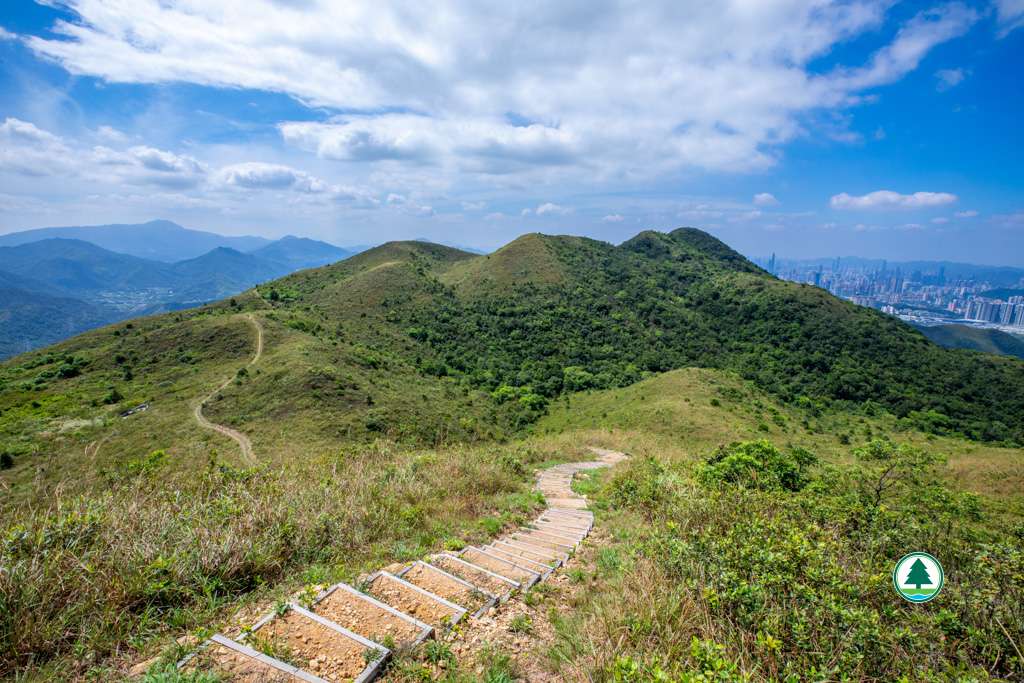
This website provides detailed information on hiking routes and attractions. It compiles and provides information on their routes, trail attributes (including difficulty, distance, time, etc.), features, scenic spots, and transportation, etc. The public can use this website to plan their hikes. The public can search by attraction "Type" (e.g. "Sunrise and Sunset") or by "Region" (e.g. "Hong Kong Island") to find suitable destinations. They can also search for hiking routes by "Difficulty" or "Duration". Hong Kong offers various types of hiking trails. For families, "Family Walks" are ideal for easy outings. For those seeking a challenge, they can try the renowned "Four Trails of Hong Kong", i.e. the four long-distance hiking trails: MacLehose Trail, Hong Kong Trail, Lantau Trail, and Wilson Trail. To facilitate the public in planning their hikes, "GPX" files are provided on this website. The public can download hiking-related applications on their smartphones or smart watches and import the "GPX" file to use it as an aid during hiking.
 |
 |
|---|---|
| 景點—西高山觀景台 | 路徑—紅花嶺郊遊徑 |
1.2 Transportation Information
- This website provides transportation information to attractions and hiking routes. The public can refer to the information to reach their destinations.
- The "HKeMobility" mobile application and website provide public transport information. The public can receive real-time transport information base on the selected routes to facilitate travel and trip planning.
| Mobile Application | Download |
|---|---|
|
"HKeMobility" Mobile Application |
|




2. Hiking Safety Information
- Wear suitable clothing and footwear for hiking. Avoid short sleeves and shorts. Dress according to the weather in breathable and quick-dry clothing, or warm layers.
- Use a backpack to carry essential items, such as maps, compass, sufficient drinking water, food, torch, rain gear, spare clothing, first aid kit, whistle, mobile phone with spare batteries, etc.
- For a detailed hiking equipment checklist and precautions before and during hiking, please refer to "About Hiking" on this website and the Agriculture, Fisheries and Conservation Department (AFCD) "Country Park Hiking Safety Guidelines" webpage.
- Plan your trip according to your fitness and hiking experience, pay attention to the weather forecast, and hike with family and friends where possible.
- When planning your trip, you can refer to the Lands Department's mobile application and website, which contains information about hiking trails maintained by the AFCD. The application also helps users identify their location.
| Mobile Application | Download |
|---|---|
|
"MyMapHK" Mobile Application |
|

- While hiking, monitor the weather condition and, if there is inclement weather, leave immediately depending on the situation or seek shelter at a safe location. The Hong Kong Observatory's mobile application and website provide information on real-time weather, forecasts, and inclement weather warnings, etc.
| Mobile Application | Download |
|---|---|
|
"MyObservatory" Mobile Application |
|

- Summer in Hong Kong is generally very hot and humid. Choose shaded hiking routes, keep the trip short, and rest as needed. Wear light-coloured, loose-fitting and breathable clothing, and bring sufficient drinking water. Practice sun protection and avoid prolonged sun exposure. For heat stroke prevention and related advice, please refer to the Centre for Health Protection's "Beware of Heat Stroke" webpage.
- In view of hiking accidents from time to time, the AFCD has erected warning signs at appropriate locations to alert hikers not to venture into areas with potential hazard. Hikers should be aware of safety, use hiking trails maintained by the AFCD (e.g. those listed in this website), avoid venturing into unmaintained trails and never cross barriers.
- AFCD has installed distance posts every 500 m along the four long-distance hiking trails (MacLehose Trail, Hong Kong Trail, Lantau Trail, and Wilson Trail) and all country trails. "You Are Here" coordinates have also been placed on major country park facilities to help hikers pinpoint their location. In case of emergency, call "999" or "112", or make use of the Emergency Helplines. Clearly state the details of the incident, the nearest distance post, or a prominent landmark to facilitate rescue.
- The following mobile application can record user locations to help rescue teams quickly locate people in distress, significantly reducing rescue time and safeguarding hikers' safety.
| Mobile Application | Introduction | Download |
|---|---|---|
|
HKSOS |
Developed by the Hong Kong Police Force, the application directly connects users to 999 Emergency Response Centre and provides precise location. It can generate a unique SOS signal that can be picked up by emergency units, even in extreme conditions or without mobile network, allowing rescue teams to locate the user. The application also lets users check their location to avoid getting lost. |
|

3. Practical Information
3.1 Country Park Facilities
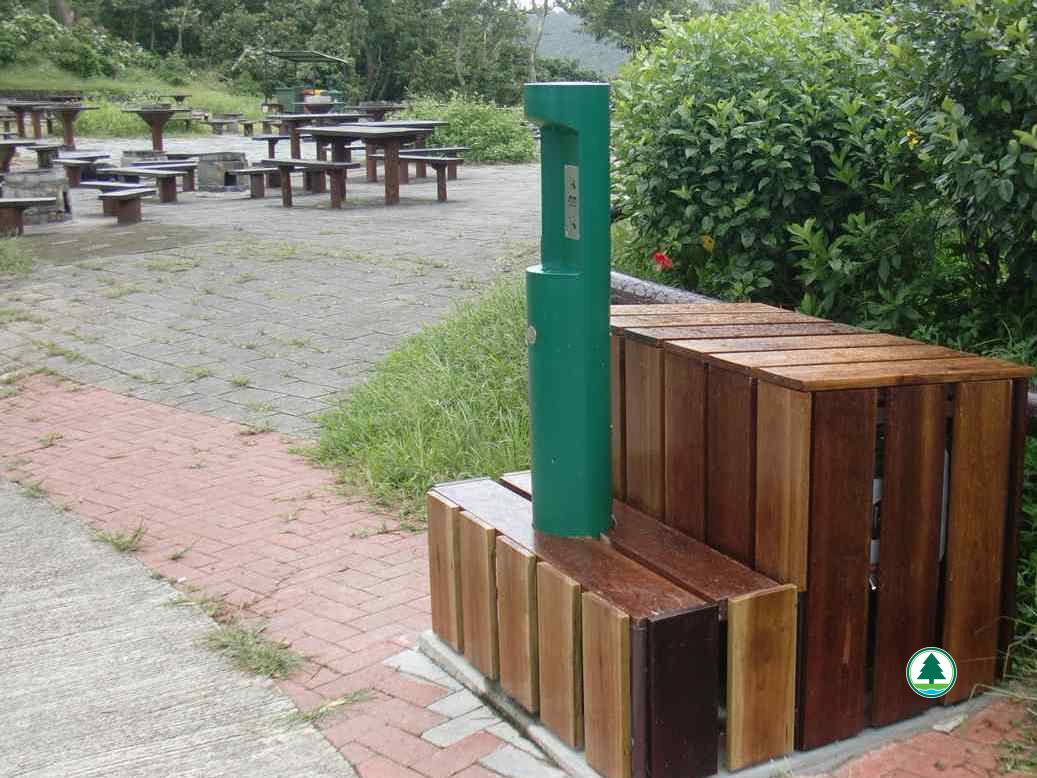
- AFCD has installed water filling stations in country parks. The public can bring their own water bottles for refill. For locations, please visit the AFCD "Water Filling Stations" webpage.
- Flushing toilets are available in country parks, some with accessible compartments. For locations, please visit the AFCD "Public Toilet" webpage.
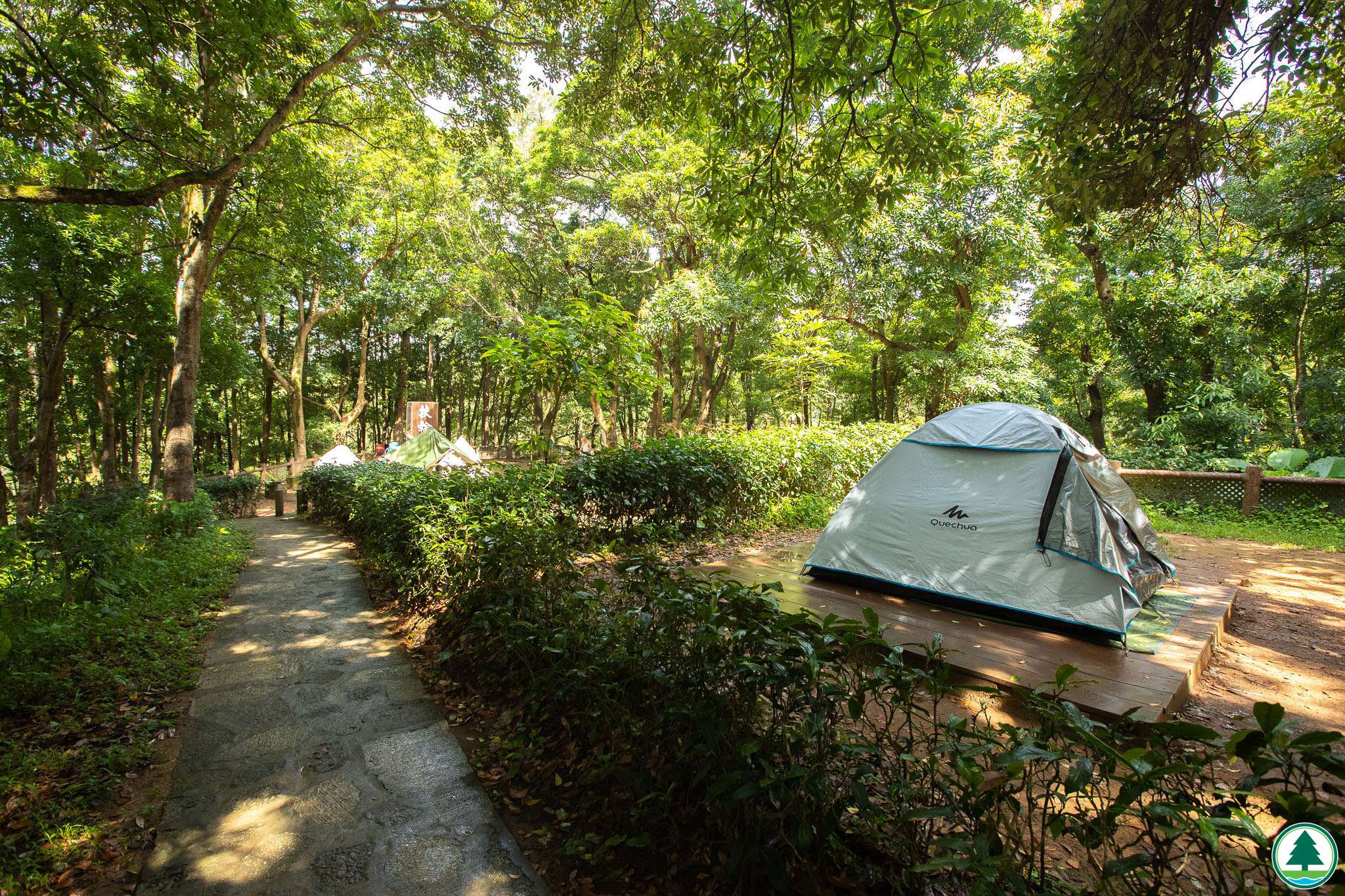
- There are currently 41 designated campsites in country parks. For locations and camping guidelines, please visit the AFCD "Campsites" webpage.
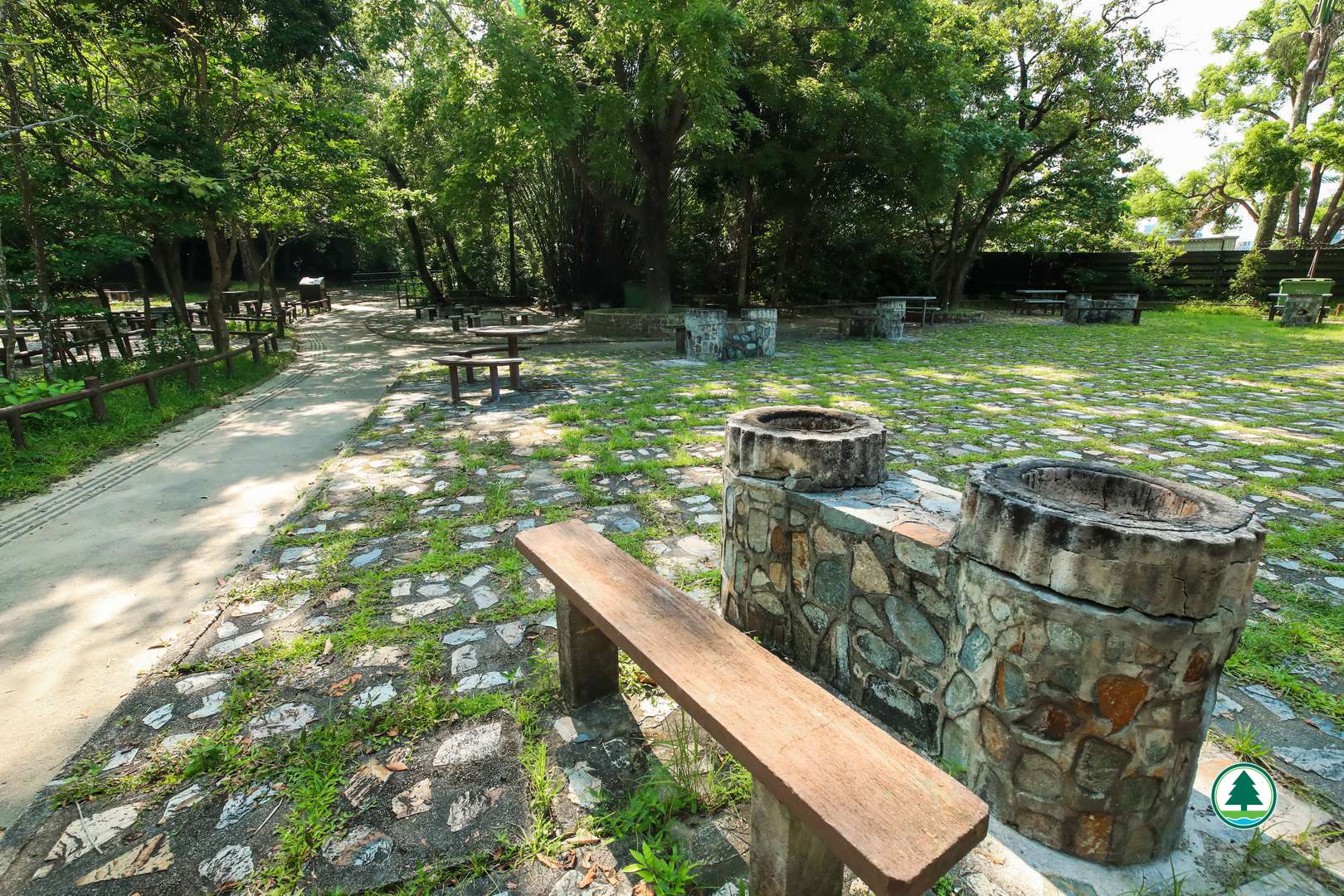
- There are 155 designated barbecue sites in country parks. For locations, please visit the AFCD "Barbecue Areas/Sites" webpage.
- Please note: in country parks, camping and tent pitching are only allowed at designated campsites, while use of fires are only permitted at designated barbecue sites or campsites.
 |
 |
|---|---|
| Water filling station | Designated campsite |
3.2 Accessible Facilities in Country Parks
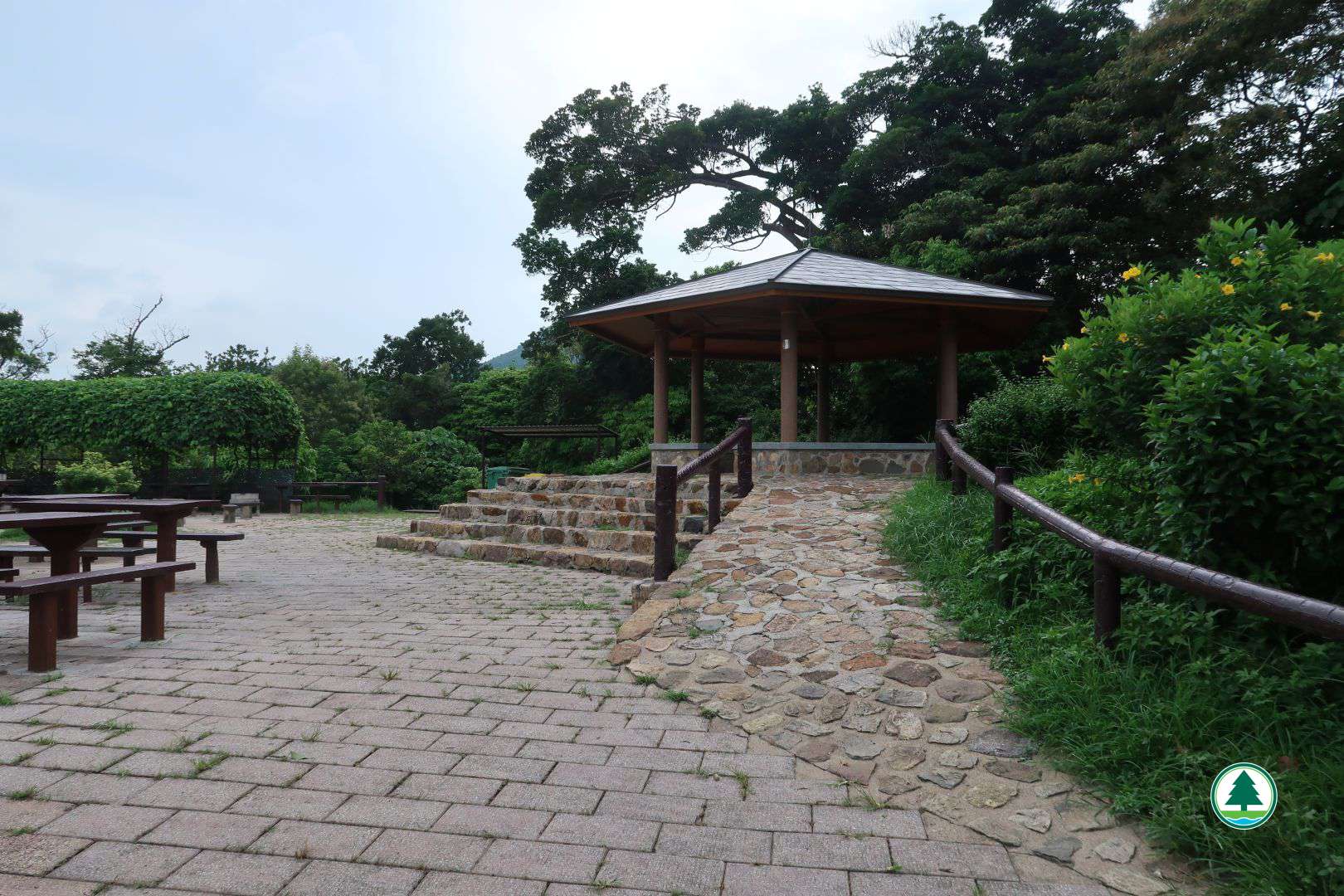
- To facilitate the physically-challenged persons to enjoy nature, some country parks are equipped with accessible facilities, such as accessible toilets, accessible barbecue sites, accessible pavilions, wheelchair course, tactile guide paths, etc.
- Four accessible routes are provided in country parks, namely Shing Mun Country Park (Paperbark Tree Forest) Accessible Route, Tai Tam Country Park (Tai Tam Tuk Reservoir) Accessible Route, Aberdeen Country Park (Aberdeen Upper Reservoir) Accessible Route, and Tai Lam Country Park (Tsing Tam Upper Irrigation Reservoir) Accessible Route.
 |
 |
|---|---|
| Accessible barbecue site | Accessible pavilion |
4. Hiking Etiquette and Protect the Nature
4.1 Code for Visiting Country Parks and Special Area
| Good Conduct | Points to Note |
|---|---|
| Protect the nature and public facilities | Do not damage plants, disturb soil or graffiti |
| Take your litter home | Do not litter |
| Take only memories, leave only footprints | Do not carry any hunting or trapping appliances or arms |
| Control your dogs | Do not hunt, harm, or feed wild animals |
| Keep the noise down | Do not pollute water |
| Ride bicycles only on designated mountain bike trails and sites | Do not drive vehicle into country parks without a permit |
| Camp or erect tent only in designated campsites | Do not camp or erect tent outside designated campsites |
| Use fire only in designated barbecue sites or campsites | Do not use fire outside of designated barbecue sites or campsites |
| Use hiking trails maintained by the AFCD | Do not operate any power-driven model aeroplane, model vehicle, or model boat |
The above points to note are not an exhaustive list of activities regulated in country parks and special areas. For details of the relevant legislation, please refer to the Country Parks and Special Areas Regulations (Cap. 208A), Wild Animals Protection Ordinance (Cap. 170), and Forests and Countryside Ordinance (Cap. 96).
4.2 The Six Principles of Hiking Etiquette
 |
|---|
- Reduce Waste: Bring along reusable water bottle, cutlery, and towel
- Respect Nature: No disturbing, no feeding, no picking of plants
- Respect Others: Be considerate and keep the noise down
- Hike Safely: Use maintained trails
- Prevent Hillfire: Do not use fire outside designated sites
- Take Your Litter Home: Leave only memories, leave no litter
For more details, please visit the "Hiking Etiquette" webpage on the AFCD's "Nature in Touch" website and the "Hiking Etiquette" playlist on the Hong Kong Country Parks YouTube channel.
4.3 Wildlife Encounter Guidelines
If you encounter monkeys, remain calm and follow these guidelines:
- Do not approach or touch the monkeys (especially infants) and keep a safe distance.
- Do not eat in front of monkeys; store food and plastic bags inside cloth bags or backpacks.
- Do not feed the monkeys.
- Avoid direct eye contact with the monkeys, as staring is considered a challenge.
- Do not throw food or objects at monkeys.
- Avoid loud noises as these may startle monkeys.
- If you have touched monkeys or their excreta, immediately wash your hands thoroughly with soap and water. If bitten or scratched by a monkey, clean the wound immediately and seek medical attention promptly.
For more information, please visit the AFCD "Nuisance Caused by Monkeys" webpage.
If you encounter wild pigs, stay calm and follow these guidelines:
- Remain calm. Do not approach or disturb the wild pigs.
- Do not touch wild pigs, including piglets
- If necessary, hide behind obstacles and wait for the wild pigs to leave before proceeding.
- Do not throw objects or try to chase the wild pigs, as this may provoke them and cause danger.
- Do not corner the wild pigs or block their way.
For more information, please visit the AFCD "Wild Pig Nuisance" webpage.